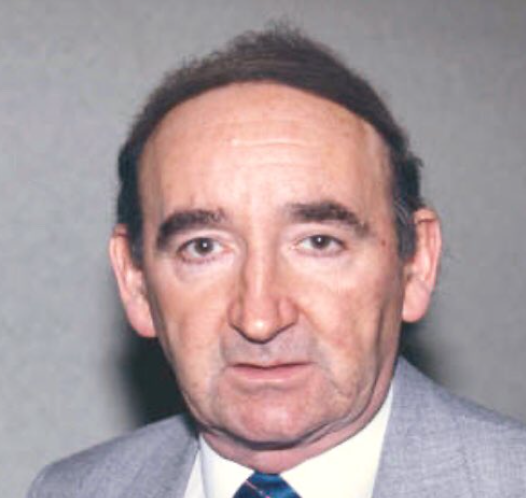
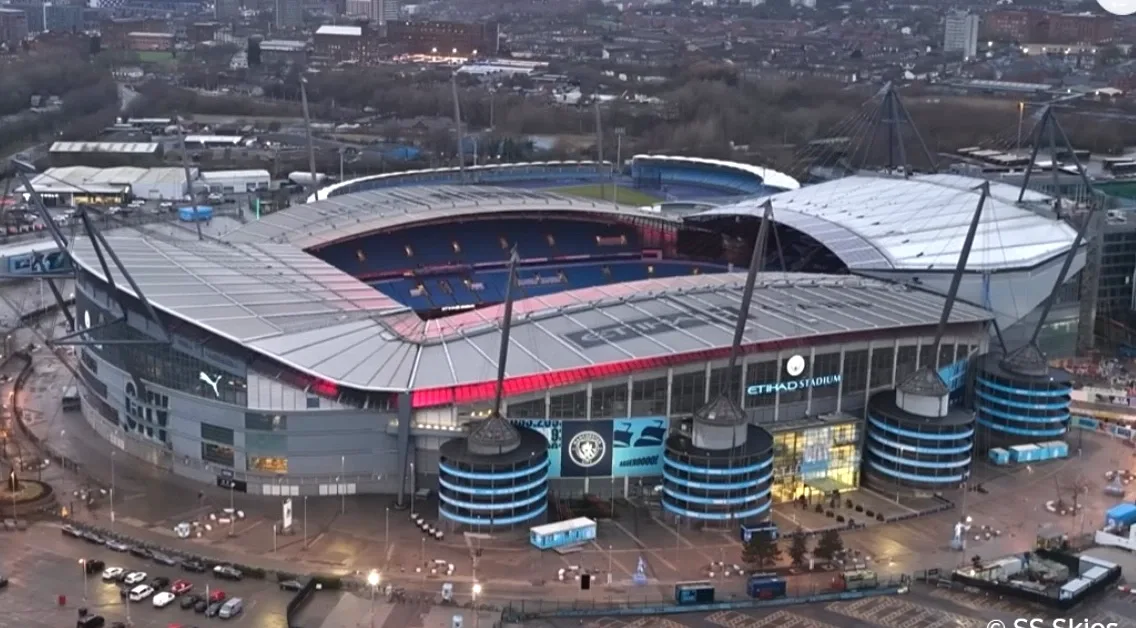
Ruben Dias is not the flashiest name in Manchester City's summer. He is not the headline signing, the record fee, or the player whose World Cup exploits are being used to justify a nine-figure transfer. Yet his situation might matter most of all.
For a club navigating a post-Pep Guardiola reset under Enzo Maresca, with senior figures already departing, the Portuguese centre-back has become one of the few players City cannot afford to let drift into uncertainty. The noise around Real Madrid interest has been met with a firm response: City do not want to sell. That stance is not simply emotional attachment to a treble-era defender. It is strategic squad protection.
Dias has just completed another full 90 minutes for Portugal at the 2026 World Cup, his role in the 0-0 draw with Colombia confirmed by City's own match round-up. That result sent Portugal into a Round of 32 tie against Croatia — a game that places him directly opposite club team-mates Josko Gvardiol and Mateo Kovacic.
The tournament is doing two things at once: validating Dias's status as an elite defensive leader, and increasing the urgency of shutting down transfer talk before it shapes the rest of the summer. According to a source close to Real Madrid, the Spanish club's option of signing Dias this summer is highly unlikely because City do not want to sell.
Re-certified at the top level
World Cups can distort value. A breakout midfielder can suddenly become a record-fee target. A young winger can turn one knockout run into a market auction. For Dias, the effect is different. He is not being discovered. He is being re-certified.
At 29, he sits in the prime window for a centre-back whose game is built on reading danger, organising space, and setting the emotional temperature of a back line. Portugal's use of him through the group phase underlines that point. He is not a luxury presence in Roberto Martinez's side; he is part of the defensive spine that allows a technically loaded team to play with ambition.
That is also why the Madrid link carries weight. Real Madrid do not tend to chase centre-backs of Dias's profile unless there is a structural need behind it. The Spanish side's defensive succession planning has been a live subject for months, and Dias fits the classic Bernabeu brief: proven in Champions League football, comfortable defending high, experienced enough to lead immediately.
City's answer should be brutally simple. Dias is worth more to Maresca's first season than any fee that does not completely reshape the defensive market.
Numbers tell the story
The squad numbers explain why. Bernardo Silva's exit to Madrid has already removed a senior leader. John Stones's future has been part of the broader transition debate. Rodri's contract pause has added another layer of uncertainty, an issue Read Man City previously examined in detail.
One elite leader leaving can be absorbed. Two can be planned for. Three, across the central zones of the pitch, starts to alter the personality of the team.
Dias's value to City has always sat in the space between defending and control. At their best, City defend with the ball, compress territory, and force opponents into low-percentage clearances. The centre-backs are not passive insurance policies. They decide when the team squeezes, when it drops, when the full-back steps inside, and when the holding midfielder can receive under pressure.
Dias has spent years operating in that environment. He understands the price of one mistimed step. He also understands the emotional pressure that comes with playing 45 yards from your own goal while the entire structure depends on clean decisions.
That matters for Maresca because the new City will not simply be a copy of Guardiola's last City. Maresca's work will demand fresh energy, but it will also require continuity in the most sensitive areas of the pitch. A new manager can change automatisms, but he cannot build authority overnight.
Flexibility and the bigger picture
Dias gives City a voice the dressing room already recognises. He gives the back line a player who can play beside Gvardiol, Nathan Ake, Manuel Akanji, or Abdukodir Khusanov without forcing the rest of the unit to be rebuilt around one partnership.
That flexibility has become more important because City are not operating from a settled platform. Recent work in the market has been aggressive. Elliot Anderson's pursuit speaks to a midfield reset. Rayan Cherki and Rayan Ait-Nouri have already shifted the technical balance of the squad.
Those additions and renewals only make sense if the spine behind them stays coherent. Dias is part of that spine.
There is another layer. Dias staying strengthens City's position on every other defender. If Madrid sense vulnerability around one centre-back, the conversation naturally spreads. Gvardiol has also been linked with interest from Spain, and City have moved to present him as a long-term cornerstone. Selling Dias would weaken that message. Keeping Dias makes it louder.
City's best defensive version for 2026/27 probably involves both: Dias as the organiser and duel-setter, Gvardiol as the hybrid defender who can play centre-back or left-sided release valve. Together, they give Maresca something close to a cheat code for high-line football.
Remove Dias and the rest of that map changes. Gvardiol becomes more exposed as the senior reference. Ake's minutes become less about rotation and more about necessity. Khusanov's pathway accelerates before City may want it to. The market then knows City need a defender, and the price of every serious replacement rises.
That is the hidden cost of a sale. The headline number may look tempting, especially in a summer where City are spending heavily elsewhere, but the replacement chain would be brutal. Elite right-footed centre-backs with Champions League authority, Premier League rhythm, and leadership presence are not lying around waiting for late-window calls.
A gift for the analysts
The Round of 32 fixture against Croatia is a gift for City analysts. Dias will face a technically mature Croatia side featuring Gvardiol and Kovacic, two players who know his instincts from the Etihad training pitch.
That matchup will not decide his future, but it will show why he remains so valuable. Croatia will test Portugal's spacing between midfield and defence. They will look to draw Dias out, open lanes behind him, and force the centre-backs into repeated decisions. If Portugal control those moments, Dias will be central to it.
It also adds to his summer workload. City will have to manage his return carefully if Portugal progress, particularly with a compressed pre-season and a squad already stretched by international minutes. Yet that is a performance issue, not a transfer reason. The answer to a loaded calendar is intelligent management, not removing one of the few defenders trusted to manage chaos on the pitch.
Dias told FIFA before the tournament that Portugal were carrying ambition with humility. It was a national-team line, but it also describes the role City need from him now: enough ambition to drive a refreshed team, enough humility to hold its structure together while others draw the headlines.
There are players City can trade from strength. Dias should not be one of them. The logic is not sentimental. It is not built on what he did in 2020, 2021, or the treble season. It is based on what City need in August 2026: a defensive adult in a team moving through man.